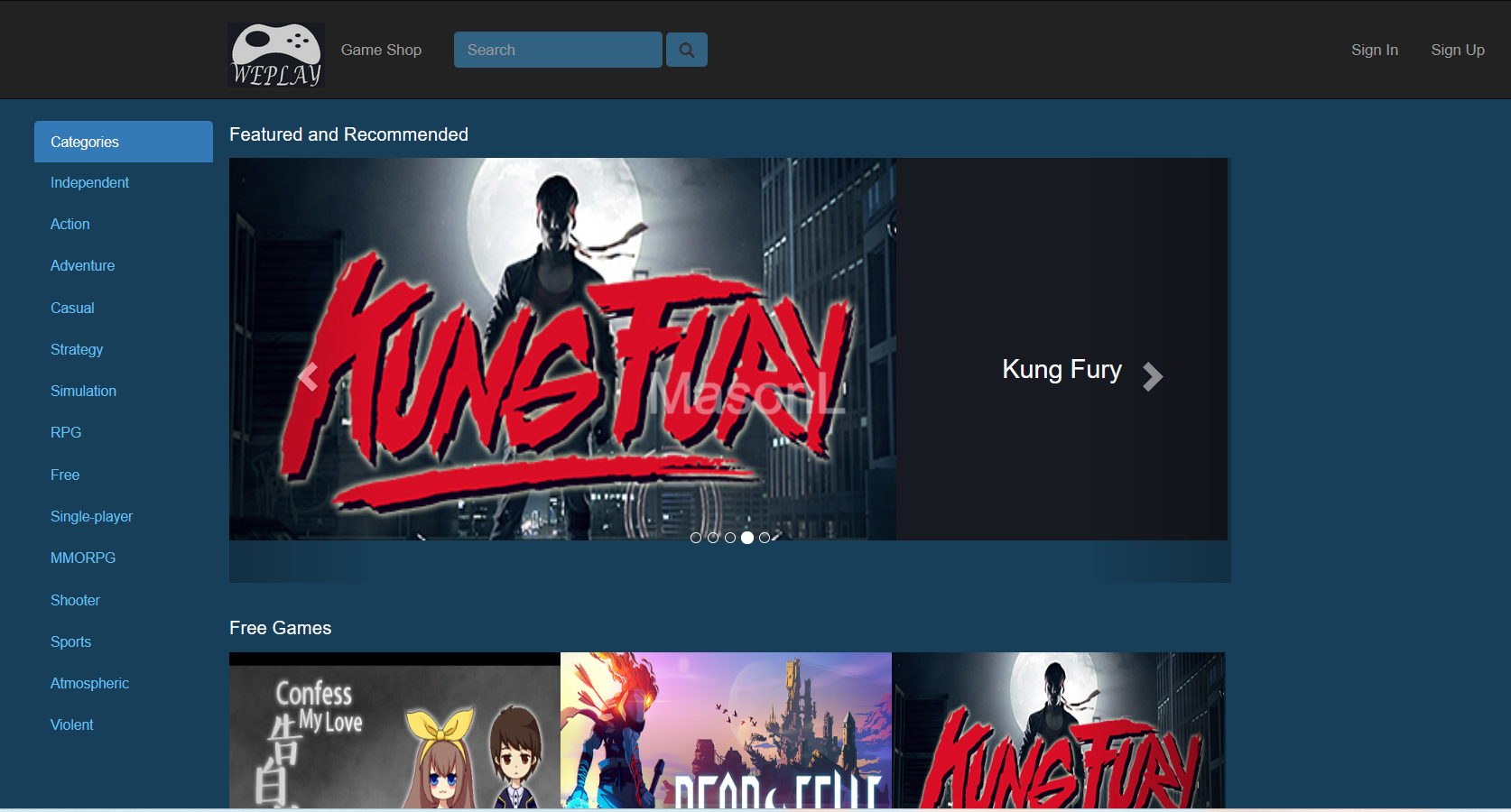
WePlay - High-Performance Game Store Platform
JavaSpring BootRedisKafkaMySQL ShardingJMeter
A high-concurrency game commerce platform designed to support 10,000+ concurrent users with sub-second latency. Focused on system scalability, data security, and high availability.
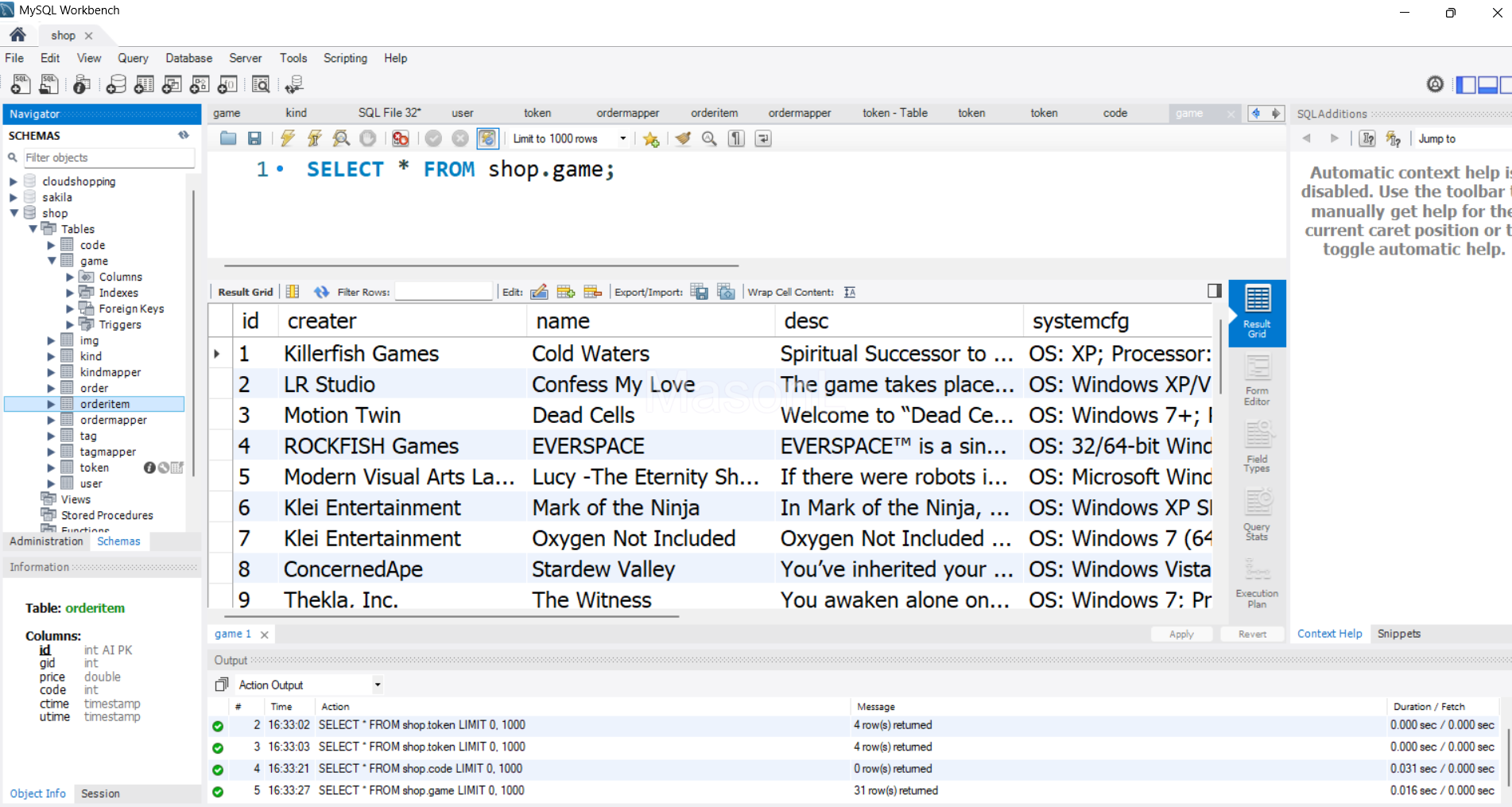
System Visualization & Performance


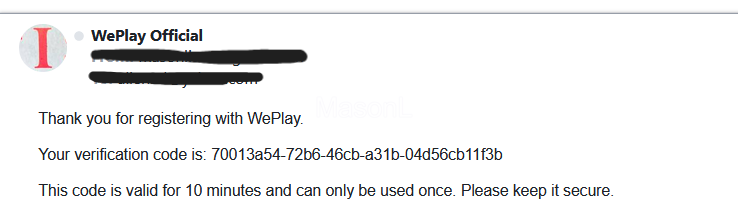


Core Challenges & Decisions
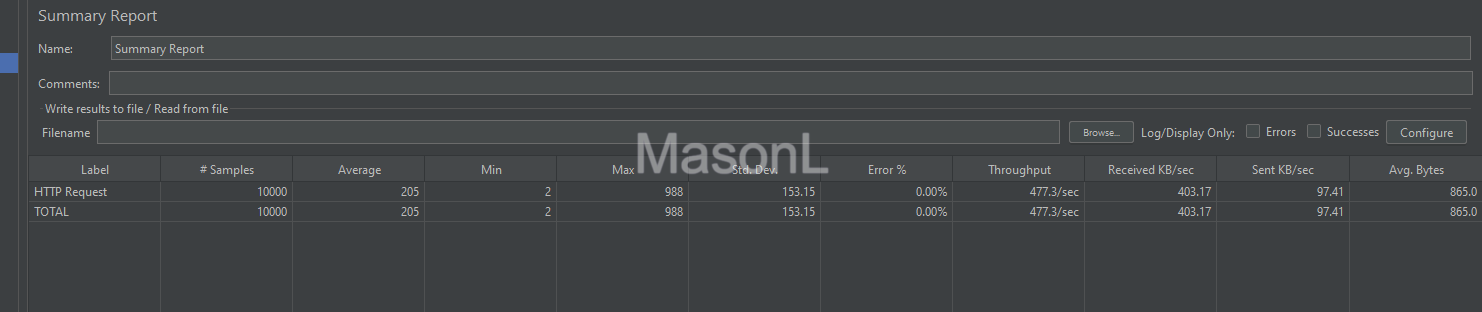
- Performance Optimization (Redis) Implemented a multi-layer Redis caching strategy with a custom-tuned JedisPool (500 max connections), caching hot data including product details, user sessions, and order status. Applied TTL-based expiration, distributed locking to prevent cache breakdown, and randomized TTL offsets to guard against cache avalanche. Reduced average response latency from 394ms to 205ms (a 48% improvement).
- Kafka-Based Async Architecture Deployed a 3-broker Kafka cluster with replication and partitioning to absorb traffic spikes while protecting downstream database operations.
- High-Load Stress Testing Conducted rigorous stress testing using Apache JMeter across incremental load phases up to 10,000 concurrent users and validated stable throughput with zero observed error rate in the final run.
- Database Sharding & Partitioning Implemented horizontal sharding and table partitioning strategies to keep order and user queries performant under high data volume.
- Stateless Authentication Built a JWT-based authentication system with access and refresh token rotation, bcrypt hashing, and role-based access control for horizontal scalability.